Rubbish removal Borehamwood High Street WD6: a practical guide for homes, flats and businesses
If you are looking into Rubbish removal Borehamwood High Street WD6, chances are you want one thing: the clutter gone, quickly, safely, and without turning your day upside down. Maybe it is a pile of bags from a clear-out, a broken wardrobe blocking the hallway, or builders' waste sitting in the way after a refurb. Whatever the mess looks like, the real job is the same. Get it removed properly, with as little fuss as possible.
This guide breaks down how rubbish removal on Borehamwood High Street usually works, what to expect, where people tend to trip up, and how to make a sensible choice for your situation. It is written for real-life use, not just search engines. And fair enough too - when you are staring at junk that has somehow multiplied overnight, you do not need fluff.
Why Rubbish removal Borehamwood High Street WD6 Matters
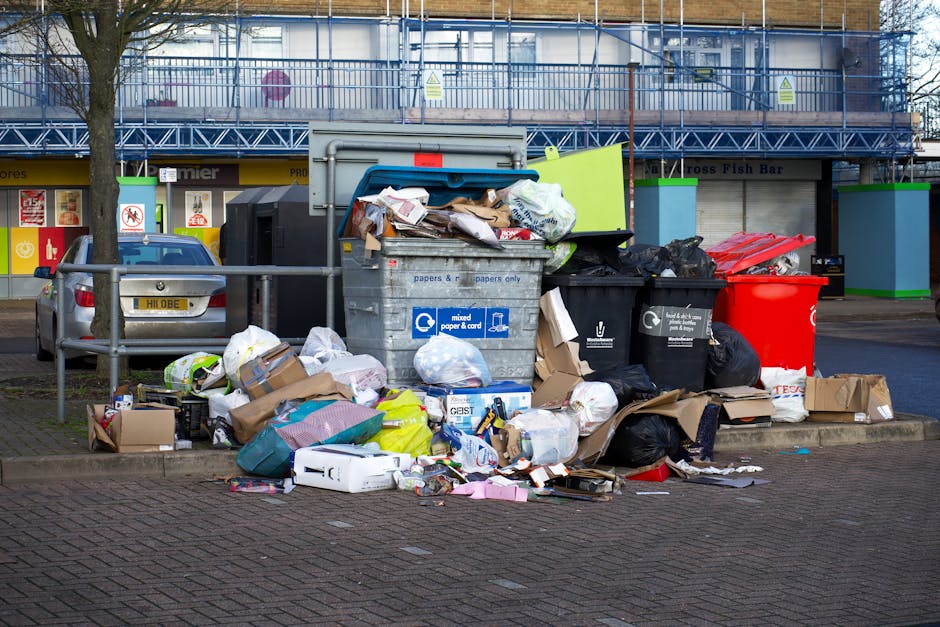
High Street locations bring a different kind of pressure. There is foot traffic, limited loading space, neighbours close by, and usually less room for bags, skips, or stored rubbish than in a larger property. On a busy stretch in WD6, even a small pile of waste can become a nuisance fast. It can block access, create trip hazards, attract attention, and make a property look untidy when first impressions matter.
For households, the issue is often convenience. For businesses, it can be about image, safety, and keeping trading areas usable. For landlords or managing agents, it may be about turning over a property without delay. And for builders or decorators, the clock is always ticking. Waste sits there, taking up space, and every hour it remains is an hour it is in the way.
There is also the simple matter of doing things properly. Waste should be handled in a way that avoids fly-tipping, protects surrounding areas, and keeps recyclable material out of landfill where possible. A professional approach is not just tidier. It is calmer, safer, and usually far less stressful than trying to improvise with a few bin bags and a good intention.
Key takeaway: On a busy High Street, rubbish removal is not only about clearing waste. It is about restoring access, reducing risk, and making the space usable again without creating more problems.
How Rubbish removal Borehamwood High Street WD6 Works
In most cases, rubbish removal follows a simple pattern. You describe what needs to go, the provider assesses the load, and a collection is arranged. The cleaner the information you give upfront, the smoother the visit tends to be. No magic here. Just good planning.
For many people, the process starts with a short list: number of bags, type of waste, approximate volume, access issues, and whether there are bulky items. If there are awkward items such as appliances, mattresses, or mixed waste from a renovation, that matters too. It changes the time needed, the lifting involved, and sometimes the disposal route.
On the day, the team normally arrives, checks the waste, confirms what is being taken, and removes it from the property or loading point. If access is tight, they may need to work around stairwells, basements, shared entrances, or parked vehicles. In places like Borehamwood High Street, those little practical details matter more than people expect.
Some jobs are straightforward. Others are a bit more fiddly. A single office clearance in a side building may take less than you think. A mixed household clearance from a top-floor flat with no lift may take longer. That is normal. The important thing is clarity before the work begins.
If you want a better sense of how different loads are handled, it can help to look at related services such as general waste removal, furniture disposal, or builders waste clearance. The right service depends on what is actually there, not just on the phrase people use in a search box.
Key Benefits and Practical Advantages
The obvious benefit is that the rubbish disappears. But the real value goes beyond that, especially in a busy local setting.
- Less disruption: You avoid multiple trips to the tip or trying to squeeze bags into a small car.
- Better access: Hallways, entrances, loading areas, and driveways become usable again.
- Safer surroundings: Fewer trip hazards, fewer sharp edges, fewer awkward obstacles underfoot.
- Faster turnaround: Useful for flats, rentals, offices, shops, and post-project clear-ups.
- Cleaner finish: A cleared property simply feels better. You notice it straight away.
- More suitable disposal: Reusable or recyclable items can often be separated more sensibly than mixed into one bagged pile.
There is another advantage people sometimes overlook: headspace. Clutter has a way of hanging around in your mind. Once the waste is gone, you can actually think about what comes next. Paint the room. Refit the space. Letting a flat. Opening the shutter in the morning without seeing a pile of rubbish waiting for you. It all becomes easier.
For businesses, the benefit can be even more immediate. Customers and staff notice mess. A tidy frontage and clear back-of-house area send the right signal, and frankly they make day-to-day operations less awkward.
Who This Is For and When It Makes Sense
Rubbish removal on Borehamwood High Street WD6 is useful for a wide range of people. It is not just for big clear-outs or emergency jobs. Sometimes it is the small, annoying pile that finally pushes you to act.
Common situations
- Homeowners clearing lofts, garages, spare rooms, or renovation leftovers.
- Tenants and landlords dealing with end-of-tenancy clutter or abandoned items.
- Flat residents who need help removing bulky waste from upper floors or shared entrances.
- Offices disposing of furniture, paperwork, packaging, or old equipment.
- Retail and hospitality premises managing back-room waste, stockroom clutter, or refurbishment debris.
- Tradespeople who need builders' waste moved quickly so the job can continue.
It makes sense when you want the work handled in one go, when access is awkward, or when waste is too much for standard household bins. It also makes sense when you are dealing with mixed items and do not want to spend half the week figuring out which bit goes where.
To be fair, a lot of people wait too long. The room gets more cramped, the job gets more annoying, and the waste slowly becomes part of the furniture. You know the feeling.
If you are clearing out a specific type of property, services like house clearance, flat clearance, office clearance, or even home clearance may be more relevant than a broad rubbish pickup.
Step-by-Step Guidance
If you want the cleanest result with the least stress, a little preparation goes a long way. Nothing fancy. Just a few sensible steps.
- Sort the waste into rough groups. Separate general rubbish, bulky furniture, appliances, garden debris, and anything potentially hazardous.
- Check access. Think about stairs, lift access, parking, loading bays, and whether anything needs to be carried through shared areas.
- Take a quick inventory. A few photos can help you estimate volume and avoid surprise costs or delays.
- Flag awkward items early. Mattresses, fridges, sofas, and heavy DIY waste are often handled differently.
- Confirm what should stay. This sounds obvious, but it saves arguments later. One stray box of documents can be a problem.
- Arrange the collection. Choose a time that suits access and neighbour sensitivity, especially in busier daytime periods.
- Walk through the load on arrival. A quick check before removal helps avoid confusion.
- Finish with a tidy sweep. Check the area for loose screws, splinters, packaging, or dust. Small thing, big difference.
One practical tip: if you are clearing a property that has not been used for a while, open the windows first. It sounds minor, but stale air, dust, and old cardboard smells can make the job feel heavier than it is. Fresh air helps, simple as that.
If your load includes bulky household items, mattress and sofa disposal can be worth considering. If it includes white goods, look at fridge and appliance removal so you are not left guessing how those items should be handled.
Expert Tips for Better Results
In our experience, the jobs that go best are the ones where the customer gives a bit of context, not just a list of items. A quick note like "top floor flat, no lift, two wardrobes, mixed bags, old desk" tells you far more than "a few things to take away."
- Keep pathways clear before the team arrives. It speeds things up and reduces accidental bumps or scuffs.
- Photograph everything in daylight if possible. Even at 8am, daylight makes volume easier to judge.
- Check for hidden contents. Drawers, cupboards, filing cabinets, and old boxes often contain surprises.
- Ask about recyclable separation. Good waste handling is usually not just one giant mixed pile.
- Plan around neighbours and trading hours. In a busy street, timing can make a big difference.
- Do not leave hazardous items mixed in. This is one of those things that sounds small until it is not.
There is also a mindset tip, if that does not sound too grand. Try to decide what the space needs to become, not just what needs to leave it. That question cuts through hesitation. Storage room? Rented flat? Clean office? Work site? The answer usually makes the sorting much easier.
And yes, a bit of humour helps. Every clearance job has that one bag you are fairly sure is only full of "miscellaneous items" and vague regret.
Common Mistakes to Avoid
Most problems with rubbish removal come from rushing the early stages. A few simple errors can create more work, more cost, or awkward delays.
- Underestimating volume: Waste always looks smaller when it is still spread out across a room.
- Mixing in restricted items: Certain waste streams need separate handling.
- Ignoring access restrictions: Narrow staircases, locked courtyards, and parking limits can affect the job.
- Waiting until the last minute: If you need access back quickly, timing matters a lot.
- Assuming everything can be taken together: It often cannot, especially with appliances or hazardous materials.
- Not checking the final cleared area: People sometimes forget loose fixings, broken glass, or small debris.
Another mistake is treating the cheapest option as the best option. Sometimes it is. Sometimes it is not even close. If the provider cannot explain how waste is handled, what happens to recyclables, or how access will be managed, that is a warning sign. Not dramatic, just useful to know.
Tools, Resources and Recommendations
You do not need a van full of equipment to prepare for rubbish removal, but a few simple tools can make the process smoother.
- Heavy-duty bags or boxes for loose mixed waste.
- Gloves for handling sharp or dusty items.
- Tape and markers if you want to label items to keep or remove.
- A torch for lofts, basements, cupboards, and darker storage areas.
- Phone camera to document the load before collection.
- Basic cleaning kit for a final tidy once the waste is gone.
For people comparing waste routes, the site's pricing and quotes information can help set expectations, while recycling and sustainability is useful if you want to understand the environmental side a little better.
If you are unsure what can be placed into a skip versus what needs a different route, the guide on what can go in a skip is a sensible starting point. It is not the only way to remove waste, of course, but it can help you avoid avoidable mistakes.
Law, Compliance, Standards, or Best Practice
Waste removal in the UK is not something to shrug at. You do not need to become an expert overnight, but you do want to understand the basic expectations. In plain English: waste should be collected, transported, and disposed of responsibly, with care taken not to create risks for people or the environment.
Best practice usually includes appropriate segregation of waste types, safe lifting and carrying, sensible route planning, and using a service that can handle disposal correctly. If a load contains items that are hazardous or potentially harmful, extra care is needed. That includes things like certain chemicals, contaminated materials, or items that should not simply be mixed in with general rubbish.
For business customers, record-keeping and responsible handling matter even more. You may want a clearer paper trail for internal checks, property management, or general housekeeping. If confidential material is involved, confidential shredding may be relevant alongside waste clearance.
Good providers also pay attention to safety. That means looking at the route in and out, reducing trip hazards, and working in a way that does not create unnecessary disruption to the property or the street. A trustworthy team should be able to talk about this in normal language, without sounding like they are reading from a foggy clipboard.
If you want to know more about business responsibilities or how a service is presented, the pages on business waste removal, insurance and safety, and health and safety policy can help build trust.
Options, Methods, or Comparison Table
There are a few ways to deal with rubbish in Borehamwood High Street WD6, and each suits a different kind of job. The right choice depends on volume, access, timing, and what exactly you need removed.
| Method | Best for | Pros | Watch-outs |
|---|---|---|---|
| Professional rubbish removal | Mixed waste, bulky items, awkward access | Quick, convenient, often handled in one visit | Needs a clear description of the load |
| Skip hire | Projects with a lot of standard waste | Useful for ongoing work, easy to keep filling | Needs space and permits may apply in some situations |
| Self-haul to a disposal site | Small loads and flexible schedules | May suit low-volume jobs | Time-consuming, physically demanding, vehicle limitations |
| Specialist item removal | Appliances, furniture, mattresses, or hazardous items | Better matched to the item type | Not every item can be handled with the same method |
If you are dealing with one large item, specialist pages such as furniture clearance or garage clearance may be the neatest fit. If the job is broader and more mixed, a general waste removal approach usually makes more sense.
Case Study or Real-World Example
Picture a small business on or near High Street with a back room full of broken shelving, empty packaging, an old desk, a couple of worn chairs, and several black sacks that have started to spread into the corridor. Nothing dramatic. Just enough to make staff work around it every day and mutter about it under their breath.
The owner had been putting it off for weeks because the room was "only half full" - which is a classic line, by the way. Once they took a few photos and grouped the waste into furniture, mixed bags, and a few separate items, the removal became much easier to plan. The collection was arranged for a quieter time of day, access was checked in advance, and the job was done without interrupting customers.
What changed most was not only the space itself, but the feeling of the space. The back room went from a dumping spot to a usable part of the building again. That sounds small, but it rarely is. In a busy location, reclaiming a room can change how a business operates from that point on.
For a home version of the same story, imagine a flat where the spare room slowly became a storage cave. Boxes, a broken bed frame, a tired chest of drawers, and old bits of electrical kit. Once cleared, the room was no longer "the room with stuff in it." It became a proper room again. That shift matters more than people expect.
Practical Checklist
Use this before booking rubbish removal in Borehamwood High Street WD6. It keeps things simple.
- Identify what needs to go and what must stay.
- Separate bulky furniture, general rubbish, appliances, and any special waste.
- Check if there are stairs, lifts, narrow access points, or parking limits.
- Take a few clear photos of the waste area.
- Confirm whether the load includes mattresses, fridges, or other awkward items.
- Decide whether you need a one-off clearance or a broader property clear-out.
- Choose a time that suits neighbours, residents, or trading hours.
- Make sure walkways are clear before the team arrives.
- Ask how recyclable or reusable items are handled.
- Do a final sweep after the removal is complete.
If you are managing a fuller property reset, pages like house clearance, loft clearance, or garden clearance may be worth checking alongside general rubbish removal.
Get a free quote today and see how much you can save.
Conclusion
Rubbish removal Borehamwood High Street WD6 is really about making a crowded, awkward, or cluttered space workable again. The best outcomes come from clear communication, sensible sorting, and choosing the right removal method for the waste in front of you. Keep it practical, keep it safe, and do not overcomplicate it.
Whether you are clearing a flat, a shopfront, an office, or a family home, the value is the same: less mess, less stress, and a better space to walk into. Truth be told, that feeling when the last bag goes is hard to beat.
And once the rubbish is gone, the job stops being about what was in the room and starts being about what the room can become next. That is the nice bit.
Frequently Asked Questions
What does rubbish removal on Borehamwood High Street WD6 usually include?
It usually includes collection and disposal of general household waste, bulky items, mixed rubbish, and sometimes specific items like furniture or appliances, depending on the service arranged. The exact scope should always be confirmed before collection.
Is rubbish removal better than hiring a skip?
It depends on the job. Rubbish removal is often better for mixed loads, awkward access, or one-off clearances. A skip can work well for ongoing DIY or renovation waste if you have space for it. Different jobs, different tools.
Can bulky items like sofas or mattresses be taken away?
Yes, in many cases they can. If you have sofas, beds, or mattresses, it helps to mention that early so the collection can be planned correctly. Related services such as mattress and sofa disposal may be relevant.
What if I have old fridges or other appliances?
Appliances often need separate handling because of their weight and components. Fridges, freezers, washing machines, and similar items should be flagged in advance. Fridge and appliance removal is the most relevant starting point.
How do I know if my rubbish is hazardous?
If it includes chemicals, contaminated materials, oils, paints, or other items that could pose a risk, treat it carefully and ask for guidance before mixing it with general rubbish. When in doubt, keep it separate and ask about hazardous waste disposal.
Do I need to prepare the waste before collection?
A little preparation helps a lot. Group similar items together, clear access routes, and make sure the team can see what is being removed. You do not need to do a full showroom-style sort, just enough to avoid confusion.
Will the collection work in a flat with no lift?
Usually yes, but access details matter. Upper floors, narrow stairs, and shared entrances should be mentioned early because they affect timing and handling. If the property is a flat, flat clearance may be the better match.
What should I do with old office files or paperwork?
If the paperwork is sensitive, use a confidential destruction route rather than mixing it into general waste. For ordinary paper clutter, it may be handled as part of an office clearance. For secure disposal, see confidential shredding.
Is rubbish removal suitable for businesses as well as homes?
Absolutely. It is often very useful for offices, retail units, hospitality spaces, and trades. Business waste has its own pressures, especially where access, branding, or reopening times are concerned.
How can I keep costs sensible?
Be accurate about the amount and type of waste, provide photos if possible, and mention access issues early. Clear information reduces surprises. You can also review pricing and quotes information before booking.
What should I check before booking?
Check what items are included, whether special waste is accepted, how access will work, and whether there are any terms you should know about. If you want to review the finer points, the site's terms and conditions can help.
What happens to the waste after collection?
That depends on the type of waste. Good practice is to separate recyclable, reusable, and non-recyclable material where possible, rather than sending everything to the same place. If sustainability matters to you, the recycling and sustainability page is worth a look.