Commercial Waste in Borehamwood
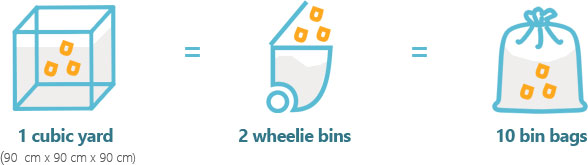
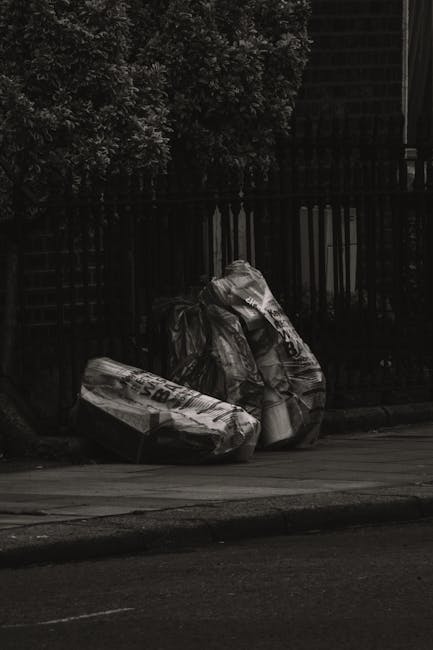
Commercial waste in Borehamwood needs a clear, dependable approach when day-to-day rubbish starts to build around workspaces, storage rooms, trade counters or shared premises. Our service is arranged to help businesses manage mixed non-hazardous waste responsibly, with practical collections that focus on useful removal, sensible sorting and straightforward disposal routes. The aim is to keep business premises manageable while making it easier to separate items that can be recycled from items that need different handling.
We support a range of commercial premises, from offices and retail units to workshops, hospitality spaces and property managers dealing with routine clear-outs. Where items need more careful handling, we can discuss the right collection approach and identify whether the load includes furniture, appliances, archived paper, packaging or other business waste. If you are comparing options, start with the type of waste and the access to the site, then decide what can be taken in one visit and what may need a different plan.
For a quotation, it helps to outline the main waste types and how much needs removing. You do not need to write a long brief; a simple description is often enough to begin. When you are ready, request a quote or send the details through the contact page.
Business waste removal for everyday commercial clear-outs
Business waste removal usually works best when the collection is matched to the way the premises operate. A shop fitting out a back room may need packaging and display materials taken away, while an office might want old desks, chairs, filing cabinets and mixed paper removed together. We keep the service focused on the practical side of the job: lifting, sorting where needed, loading and moving the waste on for the next stage of disposal or recycling.
Because workplaces often produce more than one waste stream, a sensible plan can save time and reduce disruption. Mixed waste is often easiest to deal with when the items are grouped in advance, but we can also assess a load on arrival if you prefer to keep the preparation light. Typical decisions include whether confidential paperwork is already secured, whether appliances need separating, and whether any items are too bulky for narrow corridors or shared access points.
In many cases, the most useful preparation is simply to identify what should stay and what should go. A short list can make the collection smoother:
- Loose office furniture and storage items
- Cardboard, wrapping and delivery packaging
- Old stock, fixtures or display pieces
- Small appliances and other reusable or recyclable items
- General non-hazardous business rubbish
Office clearance and furniture disposal

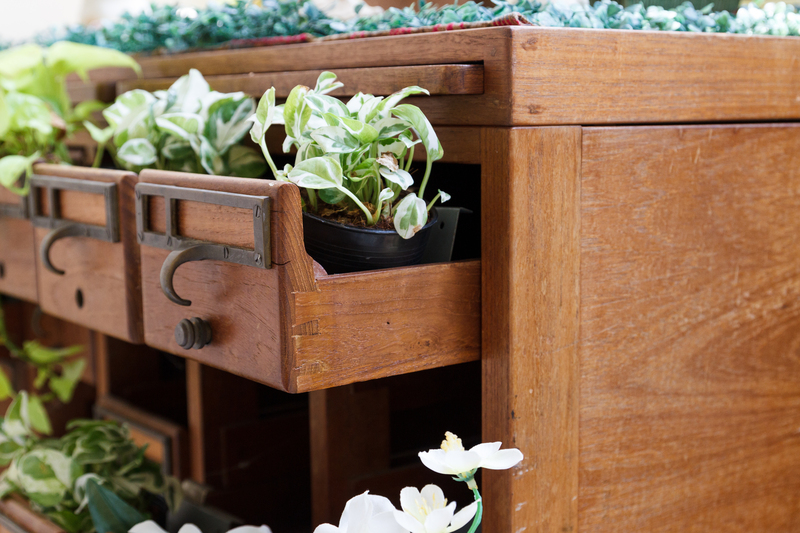
Office clearance often involves more than simply removing a few unwanted chairs. Workstations, reception furniture, cabinets, shelving, monitors and mixed office waste can accumulate during reconfiguration, relocation or general tidying. Our approach is to clear those items in a way that keeps the office usable for staff and visitors while reducing the amount of lifting and sorting left for your team. Where suitable, we can separate furniture from smaller waste so the removal is more organised.
Furniture disposal for business premises can also include heavier items that are awkward to move and awkward to store before collection. Desks, meeting tables and shelving often need careful handling through entrances, stairs or communal corridors. If the items are already dismantled, that can simplify the work; if not, we can still assess them as part of the clearance. The main point is to remove them without turning the process into a separate project for the business.
For offices and shared workspaces, we recommend considering both the volume and the layout before booking. The right preparation usually comes down to a few practical checks:
- Confirm which rooms or floors the items are coming from.
- Note whether lifts, loading bays or shared entrances are available.
- Separate anything that must remain on site from unwanted furniture.
- Identify items that may need special attention, such as screens or heavier storage units.
Clearance for retail, trade and storage spaces
Commercial waste services are often most useful when they support day-to-day turnover rather than only one-off events. Retail units may need packaging, damaged fixtures and obsolete display pieces removed after deliveries or refits. Trade counters and storage spaces may need clearance of redundant stock, old shelving or broken equipment that has been left taking up valuable floor area. By dealing with those items as part of a planned collection, the space can be returned to practical use sooner.
Different premises generate different kinds of waste, so the collection needs to match the setting. A stock room often contains a mix of cardboard, plastic wrap and damaged goods; a workshop may have wooden offcuts, worn storage units or scrap material; a front-of-house area may include seating, counters or decorative fittings that are no longer needed. We keep the service broad enough to deal with those variations while staying focused on non-hazardous commercial waste and sensible disposal routes.
Where relevant, it can help to think about the load in terms of three groups: what can be reused, what can be recycled, and what needs general disposal. That simple distinction can make the collection easier to plan and may reduce unnecessary handling. If you are unsure how to describe the items, a short written note is usually enough to start the conversation and shape the quotation.
Handling bulky items and mixed commercial furniture
Many commercial clearances are dominated by bulky items rather than general bagged waste. Large desks, cabinets, shelving systems, reception units and unwanted tables can be time-consuming to shift if they are left in place. We can remove those kinds of items as part of a structured commercial collection, with attention to safe lifting and practical access. Where items have to come through tight spaces, the route matters just as much as the waste itself.
Mixed furniture loads may also include a combination of reusable and non-reusable pieces. That does not need to make the job complicated, but it does mean the collection should be described carefully so the load is handled properly. Some furniture can be separated for easier loading; other pieces may be best left assembled until collection. We can discuss that with you in advance so the arrangement suits the premises rather than forcing the site to adapt around the removal.
Useful planning often comes from a simple internal review. Ask which pieces are actually redundant, whether any items need to remain available for staff until a certain time, and whether there is a preferred collection window. These decisions do not need a long meeting, but they do help keep the removal efficient and avoid last-minute interruptions to the working day.
Recycling, sorting and responsible disposal routes

Responsible commercial waste management is not only about taking items away. It also depends on how the load is separated once collected. Where the waste stream allows it, we look to identify recyclable material such as cardboard, some plastics, metal, and certain office items that can be diverted away from general disposal. That practical sorting step matters because commercial premises often generate a broader mix of materials than domestic clearances.
Our work can include taking materials to the right disposal route according to their type and condition. In practical terms, that means waste should be described honestly at the outset, especially if the load includes a combination of furniture, packaging, appliances or paper. Accurate information makes it easier to choose the right collection approach and reduces the risk of awkward surprises when the team arrives.
If you are preparing a quotation request, it can be helpful to mention any materials that are mixed together, particularly where recyclable items are packed in with general rubbish. That allows the collection to be planned sensibly and keeps the service aligned with the actual contents rather than a rough guess. The aim is straightforward: remove the waste cleanly, separate it properly where possible, and keep the process manageable for the business.
Pricing factors and quotation details
Commercial waste quotations usually depend on a few clear variables rather than a single fixed formula. The type of waste, the overall volume, access to the premises and whether any items need careful handling all affect the final figure. A small office clearance and a mixed business waste load from a larger site may both involve the same service category, but they are rarely identical in effort. This is why a short description of the waste is more useful than a general request for a price.
When you request a quotation, it helps to mention anything that changes the working method. For example, stair-only access, restricted parking, narrow corridors, the need to remove items from multiple rooms or the presence of very bulky furniture can all influence how the collection is carried out. If the waste is already grouped together, say so; if it is still spread across several spaces, that is also worth noting. Clear details lead to better planning.
The simplest way to move forward is to send a concise enquiry with the main item types and the collection location. If you prefer, you can ask for guidance first and then decide what to include. Request a quotation when you are ready.
About Borehamwood
Borehamwood is a town in Hertfordshire, best known for its position close to the northern edge of Greater London and for the strong links between transport, industry and media that have shaped its modern identity. The settlement expanded significantly in the twentieth century, particularly after rail connections made the area more accessible and new housing and workplaces followed. It is commonly associated with the film and television industries because of the historic Elstree studios nearby, although the town itself has a broader character than that single connection suggests. Borehamwood sits within the larger parish and urban area of Elstree and Borehamwood, which can make the place name slightly misleading at first glance, but the town remains distinct in everyday use. The high street and surrounding streets show a mixture of post-war development, newer retail frontage and older surviving buildings that reflect the area’s gradual growth rather than a single planned style. Green spaces, schools and local parks give the town a more settled suburban feel, while its links to rail and road routes continue to support commuting and local business activity. Nearby open land and established residential neighbourhoods soften the urban edge, and the town’s layout still reflects the layers of expansion that came with twentieth-century development. For visitors, the place can feel practical and compact rather than monumental, with everyday services, local commerce and residential streets woven closely together. Its identity is shaped less by one grand landmark than by the combination of industry, transport and the changing character of a town that has continued to adapt over time.
For businesses, clear access to local premises and practical collection arrangements can make it easier to keep back-of-house areas, storage rooms and offices free from clutter.
Commercial premises, compliance and specialist waste
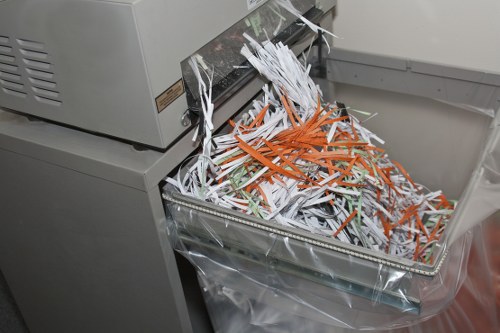
Not every commercial load is the same, and some categories need more careful consideration before collection. Items such as confidential paperwork, appliances, or materials that require separate handling should be identified early so the right approach can be discussed. In a business setting, the waste stream can change quickly as stock moves, equipment is replaced or rooms are reorganised. A clear note of what is included helps make sure the collection remains appropriate to the contents.
Where specialist handling is relevant, the main decision is usually whether the item belongs in a general business waste load or needs its own treatment. That distinction is important for office equipment, electrical items and any load that may include potentially sensitive material. We can talk through the practical side of the clearance so the arrangement matches the waste rather than treating everything as if it were identical. The goal is a sensible service, not a one-size-fits-all shortcut.
It is often best to separate unusual items from routine waste before the collection date, simply so they can be discussed clearly. That avoids confusion and keeps the load easy to identify when planning the removal. If you are unsure whether something belongs in the commercial clearance, note it in your enquiry rather than leaving it to guesswork.
Business clear-outs, access and practical scheduling
Commercial clear-outs are easier to manage when the collection fits around the working day. Many businesses prefer to keep disruption down by choosing a time when staff are available to point out the waste, confirm what stays on site and allow access to storage or back-room areas. That basic coordination can make a noticeable difference, especially where several rooms or departments are involved and the load is spread across the building.
Good access information matters too, even when the waste itself is straightforward. Loading areas, stairs, lifts, gates and shared corridors all affect how a collection is organised. If a site has particular restrictions, mention them early so the quotation can reflect the likely handling requirements. In many commercial settings, this is the difference between an easy removal and a more complicated one, so the details are worth sharing before the appointment rather than during it.
When you are ready, send the collection details and ask for a quotation. If the load is varied, a short description of the main categories is usually enough to begin. We can then help shape the collection around the items that actually need to go.
What commercial clients usually consider before booking
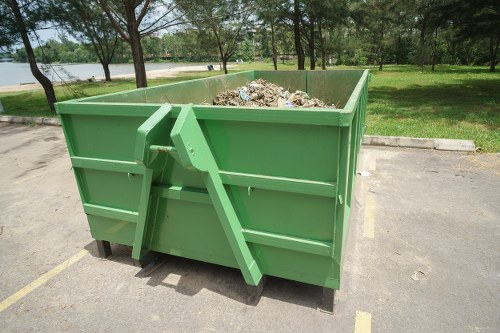
Commercial customers often get the best result when they think about the waste in operational terms rather than as a single heap of items. That means deciding which areas need to be cleared first, what should remain available for staff use and whether any materials can be grouped in advance. A measured approach makes the removal easier to organise and helps avoid unnecessary handling on the day. It also allows the work to be matched more closely to the realities of the site.
Before booking, it can be useful to confirm the scope of the job against a few simple questions. Is the waste mainly furniture, mainly packaging, or a mixture? Does anything need to be dismantled? Are there items that are particularly heavy or awkward to carry? Those answers do not need to be exhaustive, but they do give enough information to set expectations and prepare the collection in a sensible way. If anything changes before the appointment, keep the description updated so the arrangement remains accurate.
For a straightforward next step, use the contact page to request a quotation. If you have already sorted the main items, let us know what remains and we can take it from there.